


We stand with Canada


Pide
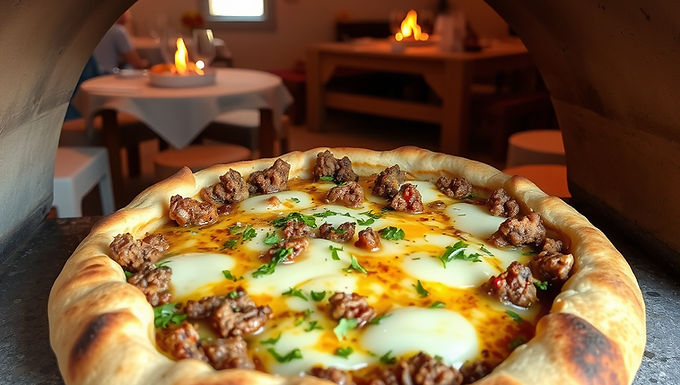
Turkish, Grilled, Bread
Pide in North Cyprus: North Cyprus’s Favourite Turkish Flatbread
Few foods are as deeply connected to daily life in North Cyprus as pide. Often described by visitors as "Turkish pizza," pide is far more than a simple flatbread. It is a centuries-old culinary tradition that combines freshly made dough, quality ingredients, and wood-fired baking techniques to create one of the most popular meals found across the island. Whether enjoyed as a quick lunch, a family dinner, a late-night snack, or a celebratory meal shared among friends, pide is a staple of North Cyprus cuisine. From traditional minced meat toppings to cheese, spinach, sucuk, mushrooms, and egg combinations, there is a pide to suit almost every taste.
What Is Pide?
Pide (pronounced "pee-deh") is a Turkish-style baked flatbread made from yeast dough that is shaped into an elongated boat-like form before being topped with various ingredients and baked in a very hot oven. The distinctive shape helps create crispy edges while keeping the toppings moist and flavourful. The dough is typically made from:
Flour
Water
Yeast
Salt
Once prepared, it is stretched into its characteristic shape and filled with a variety of savoury toppings before being baked in a traditional stone or wood-fired oven.
The History of Pide
Pide has deep roots in Turkish and Anatolian culinary traditions. Historians believe its origins may date back hundreds of years, evolving from ancient flatbreads baked in communal ovens throughout Anatolia. Some references suggest the dish was already known during the Ottoman period, while others trace its ancestry to even earlier bread-making traditions. As Turkish settlers brought their culinary traditions to Cyprus, pide naturally became part of Turkish Cypriot culture. Today it remains one of the most widely consumed dishes throughout North Cyprus.
Why Pide Is So Popular in North Cyprus
Several factors explain why pide remains one of the island's favourite foods:
Affordable
Pide offers excellent value for money. A single pide can comfortably feed one person, while larger varieties are perfect for sharing.
Versatile
There are countless topping combinations available, allowing restaurants to cater for every preference.
Fast to Prepare
Most pide restaurants use specialised ovens capable of baking a pide in just a few minutes.
Great for Sharing
Families and groups often order several different varieties and share them around the table.
Suitable for Any Time of Day
Pide works equally well as:
Lunch
Dinner
Takeaway food
Late-night meal
Family gathering dish
Traditional Pide Varieties Found in North Cyprus
Kıymalı Pide
One of the most traditional options. Topped with:
Minced lamb or beef
Tomatoes
Onions
Peppers
Herbs and spices
This remains a favourite throughout North Cyprus.
Kaşarlı Pide
Made with melted Turkish kaşar cheese. Popular with children and anyone who enjoys a simpler flavour profile.
Sucuklu Pide
Features spicy Turkish sucuk sausage combined with cheese and sometimes egg.
Karışık Pide The "mixed" version. Usually includes:
Cheese
Minced meat
Sucuk
Vegetables
Perfect for those who want a little of everything.
Yumurtalı Pide
An egg is cracked onto the pide during baking, creating a rich and satisfying meal.
Ispanaklı Pide
A vegetarian option made with spinach and cheese.
Mantarlı Pide
Topped with mushrooms, often combined with cheese and herbs. Many of these varieties have existed for generations across Türkiye and Cyprus.
The Secret: The Oven
Ask any experienced pide maker what matters most, and the answer is usually the oven. Traditional wood-fired stone ovens can reach extremely high temperatures, allowing the dough to cook quickly while developing a crispy crust and smoky flavour. Many food experts consider the oven to be one of the key reasons restaurant-made pide tastes better than homemade versions. Across North Cyprus, some of the best pide restaurants still use traditional baking methods that have changed very little over the decades.
Pide and Turkish Cypriot Culture
Pide is more than just food. It often plays a role in:
Family gatherings
Community celebrations
Religious festivals
Social events
Informal business meetings
Sharing a large pide around a table remains a common social tradition throughout North Cyprus, reflecting the importance of hospitality within Turkish Cypriot culture.
How Pide Differs from Pizza
Visitors often compare pide to pizza, but there are significant differences.
Feature
Pide
Boat-shaped
Dough - Thinner and lighter
Sauce - Usually no tomato base
Cooking - Wood-fired stone oven
Toppings - Turkish ingredients
Eating Style - Often shared
Pizza
Round
Dough - Often thicker
Sauce - Tomato sauce common
Cooking - arious methods
Toppings - International toppings
Eating Style - Individual or shared
Although the comparison helps visitors understand the concept, pide remains a unique dish with its own identity.
What To Drink With Pide
Popular accompaniments include:
Ayran (yoghurt drink)
Fresh lemonade
Soft drinks
Mineral water
Many locals finish a meal with traditional Turkish tea.
Where to Find Pide in North Cyprus
Pide is available throughout the TRNC. You will find it in:
Traditional Turkish restaurants
Family-run lokantas
Pide specialist restaurants
Kebab houses
Village cafés
Takeaway outlets
Many restaurants offer both dine-in and takeaway options. Some establishments even allow customers to customise their own topping combinations.
Is Pide Suitable for Vegetarians?
Yes. Vegetarian options commonly include:
Cheese
Spinach
Mushrooms
Mixed vegetables
Halloumi variations
Egg-based toppings
Many restaurants will also create custom vegetarian combinations upon request.
Modern Pide Trends
While traditional recipes remain popular, modern restaurants are introducing:
Gourmet cheese combinations
Chicken toppings
Seafood options
Halloumi-based varieties
Mediterranean vegetables
Fusion-style toppings
These innovations help keep pide relevant while preserving its traditional roots.
Tips for Visitors
When ordering pide in North Cyprus:
Try a traditional kıymalı pide first.
Share several varieties with friends.
Order freshly baked rather than pre-prepared.
Pair it with ayran for an authentic experience.
Visit local village restaurants for traditional recipes.
Conclusion
Pide is one of the defining foods of North Cyprus. Combining centuries of Turkish baking traditions with locally loved ingredients, it remains a favourite among residents and visitors alike. Whether topped with minced meat, cheese, vegetables, or egg, the combination of freshly baked dough and wood-fired cooking creates a meal that perfectly reflects the island's rich culinary heritage. For anyone exploring North Cyprus, enjoying an authentic pide is not simply a meal—it is an essential cultural experience.
Frequently Asked Questions
Q. What is pide?
A. Pide is a Turkish-style boat-shaped flatbread topped with ingredients such as meat, cheese, vegetables, or egg and baked in a hot oven.
Q. Is pide the same as pizza?
A. No. While they share similarities, pide has a distinctive shape, different toppings, and a unique baking tradition.
Q. What is the most popular pide in North Cyprus?
A. Kıymalı pide, made with seasoned minced meat, remains one of the most popular choices.
Q. Is pide suitable for vegetarians?
A. Yes. Many restaurants offer cheese, spinach, mushroom, and vegetable versions.
Q. What drink is traditionally served with pide?
A. Ayran, a chilled yoghurt-based drink, is the most traditional accompaniment.
Q. Is pide available throughout North Cyprus?
A. Yes. It can be found in restaurants, cafés, kebab houses, and takeaway outlets across the island.
Call to Action
Planning a food tour of North Cyprus? Add a traditional pide restaurant to your itinerary and discover why this centuries-old Turkish flatbread remains one of the island's most beloved dishes.
See also: