


We stand with Canada


Food Growing
Figs, Pomegranates, Mulberries
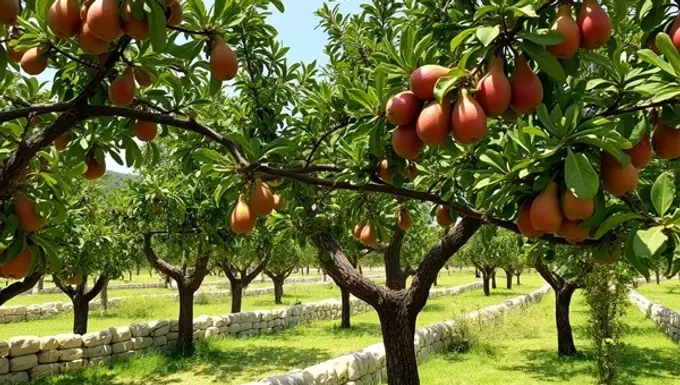
Growing Figs, Pomegranates and Mulberries in North Cyprus
Some of the most successful fruit trees in North Cyprus have been growing on the island for centuries. Figs, pomegranates and mulberries are perfectly adapted to the Mediterranean climate and can be found in village gardens, old orchards and rural landscapes throughout the country. These trees are popular not only because they produce delicious fruit but also because they are relatively easy to grow, highly drought tolerant and well suited to local soil conditions. Once established, they often require surprisingly little maintenance while providing harvests for many years. For homeowners looking to create a productive garden, these traditional fruit trees are among the best investments available. This guide explains how to grow figs, pomegranates and mulberries successfully in North Cyprus.
Why These Trees Thrive in North Cyprus
All three species share several important characteristics:
Tolerance of summer heat
Adaptation to dry conditions
Ability to grow in limestone soils
Long productive lives
Relatively low maintenance requirements
The Mediterranean climate of North Cyprus closely matches their natural growing conditions.
Growing Fig Trees
The fig is one of the oldest cultivated fruit trees in the world.
Throughout North Cyprus, mature fig trees are common sights in gardens and villages.
Why Grow Figs?
Benefits include:
Delicious fruit
Fast growth
Drought tolerance
Attractive foliage
Excellent shade
A mature fig tree can become a beautiful feature in any garden.
Best Location
Figs prefer:
Full sun
Well-drained soil
Open growing space
Avoid heavily shaded areas.
The more sunshine the tree receives, the sweeter the fruit generally becomes.
Soil Requirements
Fig trees tolerate:
Limestone soils
Rocky soils
Sandy soils
Red Mediterranean soils
Drainage is more important than fertility.
Watering Figs
Young trees require regular watering. Once established deep occasional watering is usually sufficient. Overwatering often encourages excessive leaf growth at the expense of fruit production.
Harvesting Figs
Most fig varieties fruit during summer.
Signs of ripeness include:
Soft fruit
Rich colour
Slight drooping
Fresh figs are highly perishable and best enjoyed soon after harvesting.
Growing Pomegranate Trees
Pomegranates are among the most beautiful and productive fruit trees for Mediterranean gardens.
Why Grow Pomegranates?
Benefits include:
Attractive flowers
Healthy fruit
Drought tolerance
Ornamental value
Many homeowners grow them as much for their appearance as for the fruit.
Flowering
Pomegranate flowers are bright orange-red and highly decorative.
Flowering usually occurs during late spring and early summer.
Best Location
Choose:
Full sun
Good drainage
Open airflow
Pomegranates tolerate poor soils remarkably well.
Watering
Young trees require regular irrigation.
Established trees are highly drought tolerant.
Moderate watering often produces the best fruit quality.
Harvesting Pomegranates
Fruit is generally harvested during autumn.
Signs of maturity include:
Deep colour
Firm skin
Characteristic metallic sound when tapped
Pomegranates store well and are packed with antioxidants.
Growing Mulberry Trees
Mulberries are among the fastest-growing and most useful trees in North Cyprus.
Why Grow Mulberries?
Benefits include:
Excellent shade
Rapid growth
Heavy crops
Attractive appearance
Many mature mulberries become major landscape features.
White vs Black Mulberries
White Mulberry - Produces lighter-coloured fruit.
Black Mulberry - Produces darker fruit with a richer flavour.
Many gardeners prefer black mulberries for eating.
Best Location
Mulberries require:
Full sun
Space to grow
Well-drained soil
Remember that mature trees can become very large.
Watering
Young trees require regular watering.
Established trees are surprisingly drought tolerant.
Harvesting Mulberries
Fruit ripens during late spring and early summer.
Harvesting is often done by:
Hand picking
Shaking branches onto sheets
Fresh mulberries are excellent eaten straight from the tree.
Best Time to Plant
The ideal planting season for all three trees is:
November
December
January
February
Benefits include:
Cooler weather
Natural rainfall
Better root establishment
Fertilising Fruit Trees
These trees generally require modest feeding.
Suitable options include:
Compost
Organic matter
Balanced fertilisers
Excessive fertiliser often produces unnecessary leafy growth.
Mulching Benefits
Mulching helps:
Retain moisture
Reduce weeds
Improve soil
Protect roots
Organic mulch is particularly valuable during summer.
Pruning Fig Trees
Pruning objectives include:
Removing dead wood
Improving airflow
Maintaining shape
Heavy pruning is rarely necessary.
Pruning Pomegranate Trees
Pomegranates often produce multiple stems.
Pruning helps:
Improve shape
Increase airflow
Enhance fruit production
Pruning Mulberry Trees
Mulberries benefit from occasional pruning to:
Control size
Remove damaged branches
Improve access beneath the canopy
Prune during dormancy whenever possible.
Common Pests and Problems
These trees are generally resilient.
Potential issues include:
Aphids
Particularly on young growth.
Scale Insects
Occasionally found on branches.
Fruit Damage
Birds may take ripe fruit.
Netting can provide protection if necessary.
Trees for Small Gardens
If space is limited:
Best Choice - Pomegranate
Benefits include:
Compact growth
Decorative appearance
Productive harvests
Figs and mulberries generally require more room.
Trees for Shade
For shade, mulberries are difficult to beat.
Benefits include:
Broad canopies
Fast growth
Excellent summer cooling
Many traditional village gathering places were centred around mature mulberry trees.
Health Benefits of the Fruit
Figs - Rich in: Fibre, Calcium, Potassium
Pomegranates - Rich in: Antioxidants, Vitamin C
Mulberries - Contain: Vitamins, Minerals, Antioxidants
All three fruits have been valued for centuries in Mediterranean diets.
Property Value Benefits
Fruit trees can add:
Character
Productivity
Shade
Traditional Mediterranean appeal
Many buyers appreciate mature fruit trees when purchasing property.
Why These Trees Are Perfect for North Cyprus
Few fruit trees are better adapted to local conditions.
Advantages include:
Drought tolerance
Long lifespan
Reliable harvests
Attractive appearance
They represent some of the safest and most rewarding planting choices available.
Conclusion
Figs, pomegranates and mulberries have earned their place in North Cyprus gardens over countless generations. Beautiful, productive and highly suited to the Mediterranean climate, they offer homeowners an opportunity to enjoy fresh fruit while enhancing the appearance and value of their property. Whether you are planting a single tree or creating a small orchard, these traditional favourites are likely to reward you for decades to come.
Frequently Asked Questions
Q. Which fruit tree is easiest to grow in North Cyprus?
A. Figs, pomegranates and mulberries are all relatively easy and highly reliable.
Q. Which tree needs the least water?
A. Pomegranates and figs are exceptionally drought tolerant once established.
Q. Which tree provides the best shade?
A. Mulberries provide some of the best shade available.
Q. When should fruit trees be planted?
A. Late autumn through winter is generally ideal.
Q. Which fruit tree is best for small gardens?
A. Pomegranates are often the best choice where space is limited.
Call To Action
Looking for beautiful, productive trees that thrive in the North Cyprus climate? Figs, pomegranates and mulberries offer shade, character and delicious harvests for years to come.