


We stand with Canada


Flowers & Ornamentals
Oleanders
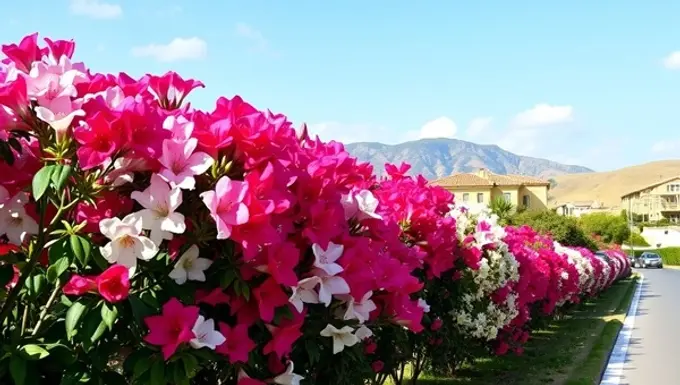
Oleanders in North Cyprus: A Complete Growing Guide
Few plants are as widely seen across North Cyprus as the oleander. Whether growing beside roads, framing villa driveways, forming privacy hedges or adding colour to public spaces, oleanders have become one of the defining plants of the Mediterranean landscape. Their popularity is easy to understand. Oleanders are exceptionally tough, thrive in hot conditions, tolerate drought, produce spectacular flowers and require relatively little maintenance once established. For homeowners seeking reliable colour throughout the long North Cyprus summer, oleanders are often one of the first plants recommended by local gardeners and landscapers. This guide explains everything you need to know about growing oleanders successfully in North Cyprus.
Why Oleanders Thrive in North Cyprus
Oleanders are perfectly suited to Mediterranean climates. They thrive because North Cyprus provides:
Long hot summers
Mild winters
Abundant sunshine
Limited summer rainfall
Well-drained soils
In many locations, oleanders survive and flourish with very little attention. This combination of beauty and resilience has made them one of the island's most widely planted ornamental shrubs.
What Is an Oleander?
Oleander (Nerium oleander) is an evergreen flowering shrub native to Mediterranean and subtropical regions. Characteristics include:
Long narrow leaves
Dense growth habit
Abundant flowers
Extended flowering season
Depending on variety, oleanders may grow as:
Compact shrubs
Large bushes
Small trees
Oleander Flower Colours
One of the reasons oleanders are so popular is the variety of flower colours available.
Common colours include:
Pink - The most common colour seen throughout North Cyprus.
White - Elegant and timeless. Particularly effective in formal gardens.
Red - Bold and eye-catching.
Salmon - Soft Mediterranean tones.
Double Flowered Varieties - Produce larger, fuller blooms. Many homeowners combine multiple colours for added visual interest.
The Benefits of Growing Oleanders
Oleanders offer numerous advantages.
Drought Tolerance
Once established, they require very little irrigation.
Long Flowering Season
Many plants flower continuously from spring through autumn.
Fast Growth
Oleanders establish quickly and provide rapid impact.
Evergreen Foliage
Gardens remain attractive throughout the year.
Low Maintenance
Ideal for permanent residents and holiday homeowners alike.
Choosing the Right Location
Oleanders love sunshine.
For best results choose locations that receive:
Full sun
Good airflow
Well-drained soil
The more sunlight they receive, the better the flowering display.
While they tolerate partial shade, flower production is usually reduced.
Soil Requirements
One of the strengths of oleanders is their adaptability.
They perform well in:
Limestone soils
Sandy soils
Rocky soils
Red Mediterranean soils
Good drainage is generally more important than soil fertility.
Planting Oleanders
The ideal planting period is:
Autumn
Winter
Early spring
Planting during cooler months allows roots to establish before summer arrives.
Planting Procedure
Dig a hole wider than the root ball.
Improve poor soils with compost.
Position the shrub carefully.
Backfill and water thoroughly.
Apply mulch.
Proper establishment is important during the first year.
Watering Oleanders
Young plants require regular watering until established.
However, mature oleanders are remarkably drought tolerant.
Newly Planted Oleanders
Need consistent watering.
Established Plants
Usually require only occasional deep watering.
Many mature roadside oleanders survive entirely on natural rainfall once established.
Fertilising Oleanders
Oleanders generally perform well without heavy feeding.
A light application of:
Compost
Organic fertiliser
Balanced slow-release fertiliser
can encourage vigorous growth and flowering.
Excessive feeding often produces unnecessary leafy growth.
Creating Oleander Hedges
Oleanders are frequently used as privacy screens.
Advantages include:
Dense foliage
Rapid growth
Long flowering season
Drought resistance
A mature oleander hedge can provide both privacy and colour.
Oleanders as Feature Plants
While often used in hedges, individual oleanders can also serve as attractive focal points.
Large specimens create:
Architectural interest
Flowering displays
Garden structure
They work particularly well in Mediterranean-style landscapes.
Pruning Oleanders
Pruning helps maintain:
Shape
Density
Flower production
When to Prune
The best time is usually after major flowering periods.
What to Remove
Dead branches
Damaged growth
Overcrowded stems
Light annual pruning is generally sufficient.
Oleanders and Swimming Pools
Oleanders are commonly planted around pools.
Benefits include:
Heat tolerance
Attractive flowers
Limited water requirements
Their colourful blooms contrast beautifully with blue water.
Oleanders and Coastal Properties
Coastal gardens often present challenges including:
Salt exposure
Wind
Poor soils
Oleanders cope exceptionally well with these conditions.
This makes them particularly popular in seaside developments.
Growing Oleanders in Containers
Smaller varieties can grow successfully in large pots.
Container cultivation is suitable for:
Terraces
Courtyards
Apartment balconies
Requirements include:
Good drainage
Occasional feeding
Regular watering during summer
Wildlife Benefits
Oleander flowers attract:
Bees
Butterflies
Pollinating insects
This helps support biodiversity within the garden.
Are Oleanders Poisonous?
One important consideration is that all parts of the oleander plant are toxic if consumed. This includes:
Leaves
Flowers
Stems
Sap
Most gardeners experience no problems, but care should be taken around:
Small children
Pets
Livestock
Normal handling is generally safe, although gloves are recommended when pruning.
Common Problems
Oleanders are generally resilient.
Occasional issues include:
Aphids - Usually found on new growth.
Scale Insects - Can affect older stems.
Yellow Leaves - May indicate:
Overwatering
Nutrient deficiencies
Poor drainage
Most problems are easily managed with routine care.
Common Mistakes
Overwatering - One of the most common causes of poor performance.
Planting in Heavy Shade - Flowering will be significantly reduced.
Excessive Pruning - Can limit flower production.
Ignoring Mature Size - Large oleanders require adequate space.
Why Developers Love Oleanders
Property developers frequently use oleanders because they:
Establish quickly
Require little maintenance
Produce attractive displays
Tolerate difficult conditions
They provide excellent value in large landscaping schemes.
Oleanders in Mediterranean Garden Design
Oleanders combine beautifully with:
Olive trees
Bougainvillea
Lavender
Rosemary
Citrus trees
Together they create the classic Mediterranean look that many homeowners seek.
Property Value Benefits
A mature flowering landscape often improves kerb appeal. Oleanders contribute:
Colour
Privacy
Structure
Visual impact
These qualities can enhance the attractiveness of a property to potential buyers.
Conclusion
Oleanders are among the most reliable and versatile flowering plants available for North Cyprus gardens. Their combination of drought tolerance, rapid growth, evergreen foliage and spectacular blooms makes them an ideal choice for both experienced gardeners and newcomers. Whether planted as a hedge, specimen shrub or part of a larger Mediterranean landscape, oleanders provide years of beauty with relatively little maintenance. Few plants deliver so much colour and performance while asking so little in return.
Frequently Asked Questions
Q. Do oleanders grow well in North Cyprus?
A. Yes. The climate is almost perfect for oleanders.
Q. Are oleanders drought tolerant?
A. Very much so. Mature plants require little irrigation.
Q. Can oleanders be used as hedges?
A. Yes. They are one of the most popular flowering hedge plants in North Cyprus.
Q. Do oleanders flower all summer?
A. Many varieties produce flowers continuously from spring into autumn.
Q. Are oleanders poisonous?
A. Yes. All parts of the plant are toxic if consumed.
Call To Action
Looking for a colourful, low-maintenance plant that thrives in the North Cyprus climate? Oleanders are one of the easiest and most rewarding choices for Mediterranean gardens.